
"brazilian coffee method"
4000 article(s) found
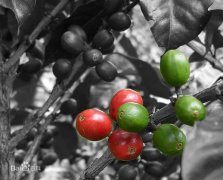
Understand Brazilian Coffee and enter Brazilian boutique Coffee products
It is unique that growers from each producing area will study and develop local processing techniques according to the characteristics of the local environment, and it is Dangdu's unique raw bean processing technology that makes coffee tastes different from one place to another. The treatment of raw beans is like the brewing process of beer, different methods will lead to different tastes of coffee. Most of us are right about ourselves.

Introduction to the regional treatment method for the flavor description of Brazilian Minas coffee
Brazilian Minas coffee flavor description, taste characteristics, regional treatment method, so much, because many people think that Brazilian coffee is only suitable for office coffee or elderly coffee, so don't define it too early. At this time, I would like to invite you to have a cup of sweet confluence from Datra Manor, which can definitely break the impression that Brazilian coffee is mediocre in your mind. Just like its

Characteristics of Brazilian Coffee Flavor description method introduction to Fine Coffee beans
Because there are so many kinds of Brazilian coffee in Brazil, you can't just use the word Brazilian coffee to include it. Like other Arabica coffee, Brazilian coffee is called Brazils to distinguish it from Milds coffee. The vast majority of Brazilian coffee is unwashed and sun-dried and is classified according to the name of the state of origin and port of transport. Brazil has 21 states and 17 states produce coffee, but some of them

Introduction of high-quality coffee beans in Brazilian coffee manor with a long aftertaste
Based on the monotonous climate of Brazil, Brazilian research units have developed a half-sun method to shorten the processing time. After removing the pulp, the coffee fruit will be exposed to the pectin-coated pods for one to three days, and then machine-dried to a moisture content of 12%, which can be put into a storage container. The Brazilian half-sun method greatly shortens the work time (the traditional sun method takes two to three weeks), and also reduces coffee bean dyeing.
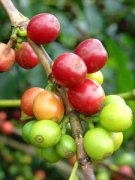
Brazilian coffee beans processing Brazilian coffee green beans wholesale coffee beans American coffee beans
The four most common treatments for Brazilian coffee are sun, desizing, half-washing and washing, with sun being the most popular. Since the harvest seasons of Cerrado Mineiro and Mogiana Paulista, Brazil's two main producing areas, are both dry seasons of the year, natural solarization is common in this area.

Brazilian coffee production area time processing method Introduction Brazilian coffee bean flavor aroma characteristics Taste description
Coffee farming is highly dependent on climate and geography, which is why it is important to distinguish between regions. Zairo said that for coffee to grow, the higher the better. At the same time, the temperature should be between 15 and 25 degrees Celsius, and the flowering period should have sufficient rainfall to ensure the normal growth of flowers and fruits. Brazilian Coffee Industry Cooperation Organization spokesman Paul Elias had previously
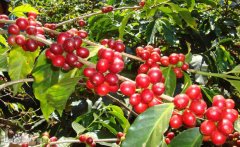
Brazilian coffee green beans processing technology American coffee beans honey processing commercial Brazilian beans green beans
The four most common treatments for Brazilian coffee are sun, desizing, half-washing and washing, with sun being the most popular. Since the harvest seasons of Cerrado Mineiro and Mogiana Paulista, Brazil's two main producing areas, are both dry seasons of the year, natural solarization is common in this area.

Brazilian Coffee Flavor and Taste the characteristics of manor production area introduce the origin of Brazilian coffee
Although Brazil is one of the countries with the most abundant freshwater resources in the world, the distribution of water resources is uneven, and many regions have to rely on natural draught. Especially in the east where coffee cultivation is concentrated, severe droughts often occur, and scarce water resources limit the way coffee is processed. Before 1990, Brazil almost all chose rough sun methods, and there was a big difference in quality, because bird shit coffee

Brazilian Coffee | Brazilian Coffee History | Brazilian Coffee producing area | Brazilian Coffee Variety
When it comes to Brazilian coffee, we all know that Brazil is the world's largest coffee producer and the world's second largest coffee consumer (the first is the United States), so where does Brazilian coffee come from? What are the coffee producing areas and famous estates in Brazil? Which varieties are mainly planted and how to grade them? Today, the editor will share with you the coffee giant Brazil on the World Coffee Tour. Cymbal

Is the Brazilian Spring Manor Coffee good? the method of making Brazilian Coffee
For the exchange of professional baristas, please follow the Coffee Workshop (official Wechat account cafe_style). The old bourbon coffee and yellow kaduai are grown on some estates in the Serrado district of Minas Greais state in southeastern Brazil. Although these estates come from the same area, these coffees have their own characteristics. Although coffee is diverse, Brazilian coffee is suitable for the public.

Taste and flavor characteristics of Brazilian Sheraton coffee by hand brewing method record of baking of Brazilian Hilado coffee beans
For the exchange of professional baristas, please pay attention to the coffee workshop (Wechat official account cafe_style) Brazil-Syrador (1) Brazilian beans are usually used as mamba, or with mixed beans, this time they are roasted with mixed beans and are expected to be roasted in the middle. 190 degrees into beans. Control at 0800 time, temperature 161,

Brazilian boutique coffee from Syracuse is extremely smooth and smooth with sweet taste and low acidity.
1. A variety of fine coffee. It is better to use Arabica inherent variety Tibica or bourbon variety. two。 Is the altitude, topography, climate, soil and refinement of the cultivated land or farm clear? Generally speaking, the coffee with high altitude is of higher quality, and the fertile volcanic soil is the best. 3. The harvesting method and refining method are adopted. Generally speaking, manual harvesting method and washing essence are adopted.
Historical stories of main producing areas of Brazilian Coffee beans which brand tastes good
Professional coffee knowledge exchange more coffee bean information please follow the coffee workshop (Wechat official account cafe_style) Brazil, of which seven states have the largest production, accounting for 98% of the country's total output. Sao Paulo State (Mogiana, Centro-Oeste) Parana State (No

General knowledge of Fine Coffee beans Diversified ways of handling Brazilian Coffee
Brazilian coffee farms choose sun, half-sun or water washing treatments according to the dry and humidity conditions of the climate to show the best regional flavor. Such a pluralistic approach is rare in the world. Before 1999 ⊙, rough tanning was almost always used in Brazil. This is the main culprit for Brazilian beans to be easily infected with the smell of dirt and rotten wood, because coffee fruits are exposed to the sun for two to three weeks.

Characteristics of Brazilian Coffee beans introduction of planting and picking methods of Brazilian Coffee
Professional baristas exchange please follow the coffee workshop (Wechat official account cafe_style) Brazilian coffee characteristics of Brazilian coffee generally refers to the coffee produced in Brazil. There is a wide variety of Brazilian coffee, the vast majority of which are unwashed and sun-dried, classified according to the name of the state of origin and the port of transport. Brazil has 27 states and 17 states produce coffee, but 4 of them

Brazilian coffee making technology Brazilian coffee beans
Let's talk about desizing. The desizing method was introduced to Brazil 25 years ago by Pinhalense, a well-known machinery and equipment manufacturer. Desizing is the second most popular way to treat raw coffee beans in Brazil, and Brazilians like to call it Cereja Descascado (Descascado means peeling, Cereja means fruit). In Central American countries, desizing is also known as honey treatment. In

Introduction of Brazilian Coffee varieties Brazilian Fine Coffee Bean Flavor Manor
There are many kinds of Brazilian coffee, it is difficult to say that it has any special flavor, no outstanding advantages, no obvious disadvantages, most of them are medium acid, taste lubrication, mainly mild and smooth, mellow and sweet, its softness makes it mixed with other coffee beans, the taste will not change much; and the oil is relatively rich. So Brazilian coffee beans are the best match

Introduction to the Flavor description treatment method of Brazilian Coffee varieties
Brazilian coffee generally refers to coffee produced in Brazil. There are many kinds of coffee in Brazil. Like other Arabica coffee, Brazilian coffee is called Brazilian coffee Brazils to distinguish it from Milds coffee. The vast majority of Brazilian coffee is unwashed and sun-dried and is classified according to the name of the state of origin and port of transport. Brazil has 21 states and 17 states produce coffee, but among them

Brazilian yellow bourbon coffee processing method Flavor description Taste grinding scale Introduction
Brazilian Cerrado Yellow Bourbon: Brazil's three major coffee producing regions are Cerrado, Minas del Sur and Mojiana in the central and western provinces of Minas. Brazilian yellow bourbon is located in Brazil's Xilado region. But not all the coffee produced in the prairies of Xilado

Introduction to the characteristics of taste treatment methods for the description of grinding degree of Brazilian coffee with various flavors
Because there are so many kinds of Brazilian coffee in Brazil, you can't just use the word Brazilian coffee to include it. Like other Arabica coffee, Brazilian coffee is called Brazils to distinguish it from Milds coffee. The vast majority of Brazilian coffee is unwashed and sun-dried and is classified according to the name of the state of origin and port of transport. Brazil has 21 states and 17 states produce coffee, but some of them